As the growing season winds down and you prepare your landscape for winter, you may find yourself with a lot of yard waste. Instead of bagging it and tossing it into the garbage, why not make that yard waste continue to benefit your plants by composting? What to put in your compost bin: Leaves Grass clippings Straw Plant debris While you’re at it, you can also add food waste from indoors, like coffee grounds, fruit peels and cores, and vegetables.…

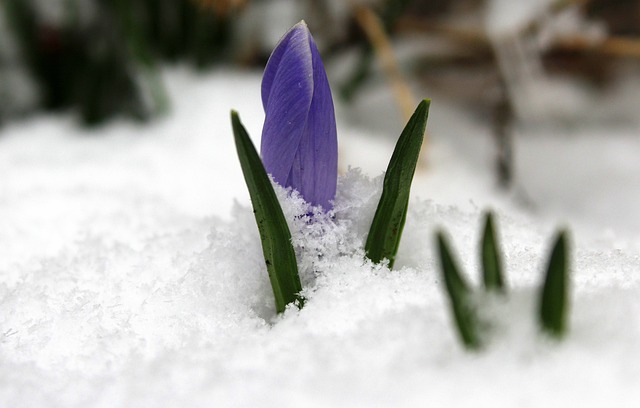
Plant fall bulbs now for spring color. The fall months, specifically September and October, are the best times to plant bulbs for a colorful display next spring. To break out of their dormant state, bulbs need 12 – 14 weeks of cold temperatures (below 45 degrees). There are many different bulbs to choose from including; tulips, daffodils, crocus, and alliums. You can plant the bulbs individually or in a mass to create a more vibrant display. Water well when you…

Lawns help cool our environment and make our backyards more enjoyable in the warm months. Through spring and summer—especially this year—they can be the focus of our outdoor activities. As we head into fall, take some time to change up your lawncare routine to help it continue to serve us well next year. Here are some things to consider for fall lawn maintenance: Reduce weekly maintenance. Cut down on watering and mow less frequently. Cooler nights combined with fewer hours of…

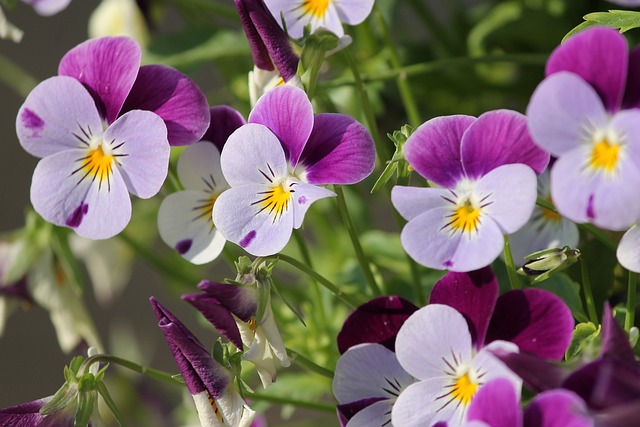
There are a number of flower choices that like the cool weather of fall that we can replace the worn-out ones with and keep the color going. Pansies and Violas are the main ones for fall planting. They prefer the cool weather. They can take frosts and still bloom! You really get your money’s worth when you plant them in the fall as they will bloom all fall, periodically through the winter and burst out in spring! Also, Snapdragons, Dianthus, Ornamental Cabbage…

Top items you can think about doing in the fall and early winter months: Clean up your garden beds: remove debris, leaves and weeds. You can put in edging and re-mulch for the winter. Put potted material inside to protect them from the upcoming freezing temperatures. Plant bulbs for spring. Popular bulbs are tulips, daffodils, hyacinths, and crocuses. Remove dead and dying plants and cut back ornamental grasses for the fall. Add new plants to your landscape and get them…

It’s getting late in the season. There are only 28 days until fall. Spring and fall remain full of landscaping tasks, but there are plenty of ways to spruce up your lawn and garden as the summer ends. Check out these easy and effective end of summer landscaping tips, designed to extend the season and keep your outdoor living area healthy and comfortable. Watering your lawn and garden can be problematic, depending on local limitations. About 1-inch of water is all…

With days getting shorter, now is a great time to be thinking about how lighting can help you make the most of your yard. We are almost a month out from the first day of fall, landscape lighting can help give us more time outdoors. There are three main ways lighting can enhance our outdoor experiences; accessibility, security and ambiance. Landscape lighting benefits Whether it is lighting a walkway or stairs, adding light to darker parts of the yard, or…

plant and landscape ideas that are safe for your pets

With National Dog Day last week, now’s a good time to think about how to keep our four-legged friends safe while maintaining our landscapes. Avoid potentially dangerous plantsMany dogs dig up or chew bulbs and plants. If your dog is a curious type who likes to dig or taste what’s growing, keep dangerous plants in an area that pups can’t access or avoid them altogether. Some plants that could make your dog sick: Spring flowering bulbs like daffodils or tubers…

Flower breeding companies put in years of time and money into coming up with new plant varieties, new colors, and new plant traits. They are always working on improving current varieties, like the ability to withstand extreme weather conditions. Some of the specific traits they look for in flower breeding are; more flowers, bigger flowers, different flower shapes, certain colors, and disease resistance. This same process happens for vegetables, roses, perennials, and trees and shrubs. There are thousands of new…

Learn what is damaging your tree, and how to stop it. Distinguish between plant damage brought on by diseases, insects, or a nutrient deficiency. Learn to identify these pests and how to protect the trees. Beetles and bugs are damaging our trees. Ash Bark Beetle – These beetles are accounting for most of the decline of the Ash trees. Bark beetles infest and reproduce in live trees. They may infest the entire tree. Spring pruning and disposal of infested branches…