A favorite family activity each 4th of July may be to have a sparkler and write something in the sky! The majority of people usually just throw the used sparkler on the ground and forget about it, well do not do that! It is bad for your lawn! Get a bucket of water! Fill your bucket with water and have everyone put the used sparklers straight in the water instead of burning holes in your lawn! If you have any…
The rain has been a key factor in how our landscapes look and there are some things that we should be doing to keep our outdoor spaces beautiful. Pruning overgrown shrubs and hedges Clean pruning shears between cuts to prevent disease Cut dead or wilted flowers to allow more to grow Cut back overgrowth on the large shrubs to maintain the size you want Take your time it can be hard, but the plant takes time to grow over mistakes…

Pollinators need sources of water for many purposes, including drinking. Butterflies, for example will gather and sip at shallow pools, mud puddles or even birdbaths. You can easily create one of these water sources in your landscapes. Why it is important to provide water for beneficial insects. · Pollinators need sources of water for many purposes including drinking and reproduction. · Foraging honeybees collect water to dilute honey, regulate humidity, and cool the hive. · Butterflies get salts and nutrients…

Homeowners need to know how landscaping can help protect their homes. Planting and maintaining a “defensible space” of landscape is more difficult to ignite, can offer significant fire protection. Steps to become more fire wise with your landscapes: Avoid placing plants to close together. Spacing plants apart from one another keeps fire from traveling between them or “climbing” up smaller bushes into the more flammable branches of nearby trees. Remove flammable debris. Dead trees, shrubs and small plants growing close to,…

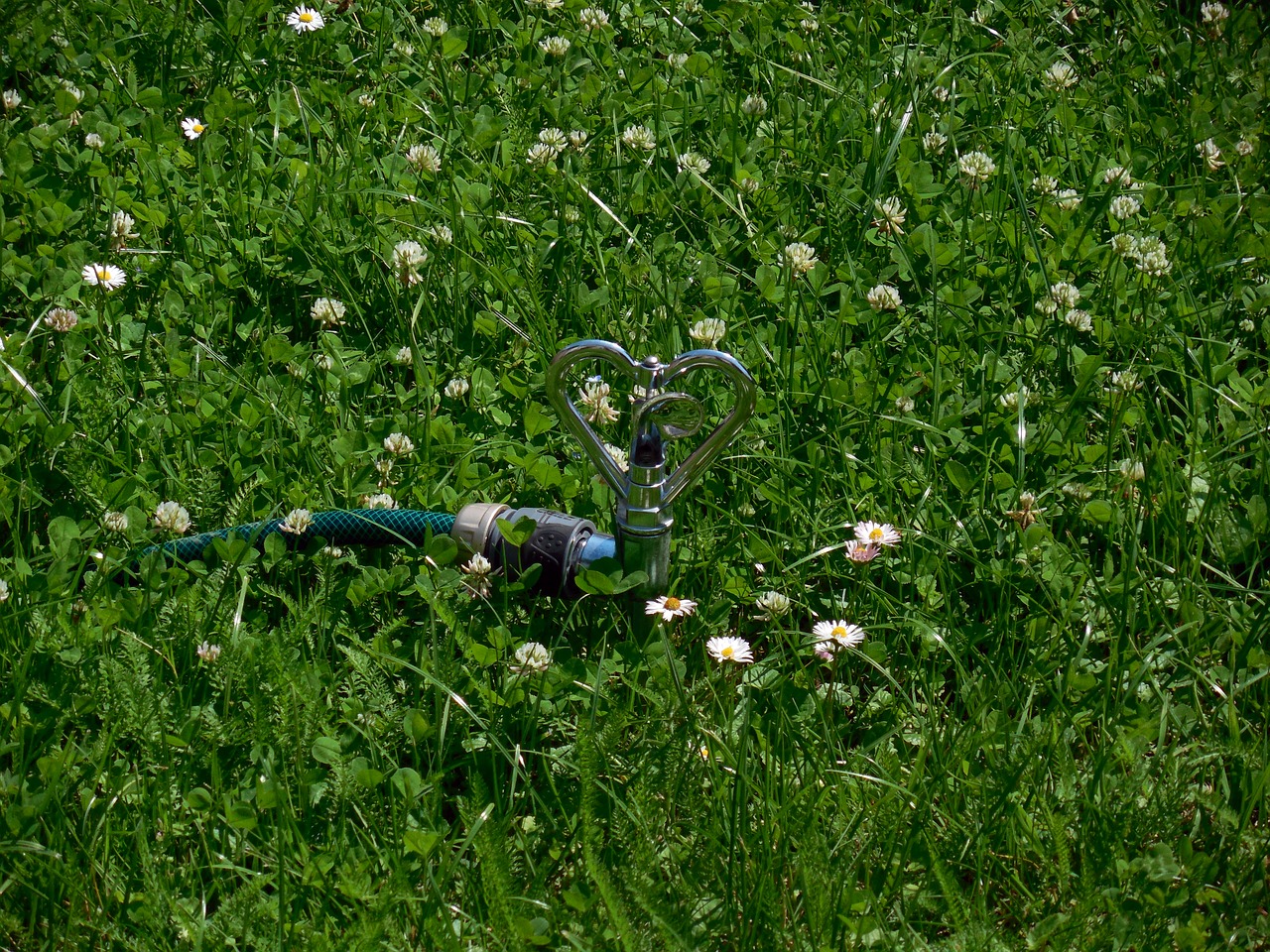
Much like any appliance in your home, sprinkler systems need a tune-up. Efficient tune ups may include: *Running each sprinkler zone and looking for broken heads or dirty nozzles where the spray does not look consistent. *Making sure that nozzles are not mis-aligned and spraying rocks or concrete instead of the lawn. Straighten any sprinkler heads that are leaning to the side. *Make sure there is even drip irrigation while it is operating to be sure that emitters are not…

Whether it is in your landscape or an indoor pot, soil is the medium for your plants to thrive. High quality soil performs five functions at the same time: Soil… Acts like a sponge, soaking up rainwater and limiting runoff. It also helps with groundwater recharge and controlling rainwater runoff in urban environments. Acts like a faucet, storing and releasing water and air for plants and animals to use. Acts like a supermarket, providing valuable nutrients, air and water to plants.…

Why winter composting is important. Compost needs time to mellow or break down. That’s why it works to put it down during the winter, even if it isn’t tilled into the soil. As it breaks down, compost creates a homogeneous soil mixture ripe with microbial activity. This process does not add nutrients to the soil, but it does improve the soil’s capacity to hold onto both nutrients and water. That is why compost is so good for the garden and of…

Yes, there’s plenty of snow on the ground, but it’s not too early to think about this year’s garden. Seed catalogs were mailed long ago, and the online business is already booming. If you haven’t started planning this year’s garden, grab something warm to drink and cozy up to the fire with your laptop and order for spring! How much and when to order? For most home gardeners, one or two seed packets per variety are all you’ll need. To have the…

This winter has been full of more snow than in past years. Being stuck inside can wear on our health and attitude. Your yard and garden can be part or your “winter blues,” recovery. Get moving. Exercise is a great way to get rid of those “winter blues”. Why not get out in the yard to check off some outdoor tasks? Heavy yard work (landscaping, moving rocks, hauling dirt) can burn 400-600 calories per hour, according to WebMD. So can…

Your lawn does not actually die each winter; it goes dormant. Dormant grass needs care too, especially in periods where there is lack of precipitation. Turf needs water in the winter, though not as much as it does in the heat of the summer. Simply turning off the water until spring leaves your lawn at risk of drought stress. Drought stress creates favorable conditions for problems like turf-mites. The damage (brown, straw-like patches) can show up early and can devastate…