
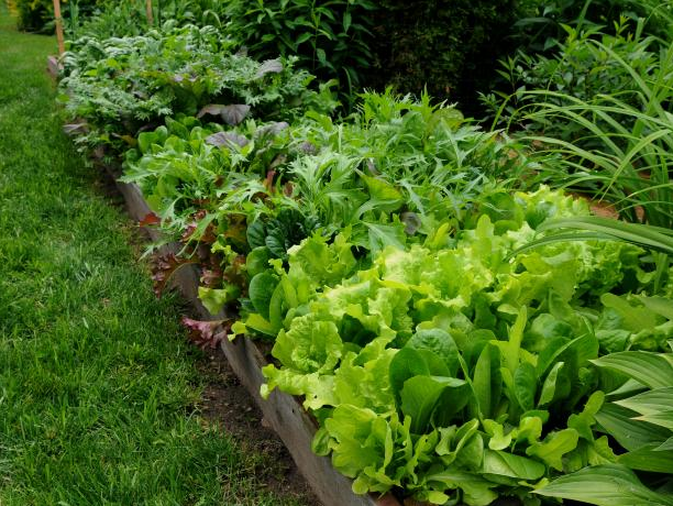
Dive into the world of edible landscaping, where your outdoor area becomes a vibrant canvas of delicious plants.
Imagine your garden as not just a feast for the eyes but a source of culinary ingredients right at your fingertips. Camelot Design shares tips for getting started.
While the primary purpose of edible landscaping is to grow food, attention is also given to the aesthetic qualities of the plants chosen. This may involve selecting edible plants with attractive foliage, flowers, or fruits, as well as incorporating design elements such as paths, borders, and focal points.
Get ready to harvest fresh ingredients right from your backyard. Plants in your garden can be both a feast for the eyes and a treat for the palate.
Mix various colors, textures, and forms. Edible landscaping promotes biodiversity by incorporating a wide variety of plants, which can attract beneficial insects, birds, and other wildlife to the garden. Companion planting techniques are often used to enhance plant health and yield.
Strategic Plant Grouping
Group plants in your garden according to their sun and water needs for optimal growth and easier maintenance. Understand each plant’s individual requirements helps every plant to grow well.
Edible landscaping offers a holistic approach to gardening that combines the practical aspects of food production with the beauty and functionality of traditional landscaping. By integrating edible plants into outdoor spaces, you can create sustainable, productive landscapes that nourish both body and soul