
Several hardy herbs can survive or even thrive through cold winters, especially with a bit of protection.
While most herbs are considered ‘tender’ (think basil, which dies back in the Fall and certainly after a hard frost), some can withstand our cold, harsh winters, and can even be cultivated year-round and harvested when they’re covered in snow.
Cold-Hardy Herbs
- Thyme – A perennial herb that survives freezing temperatures and often stays evergreen.
- Sage – Hardy in many climates; established plants can overwinter with mulch.
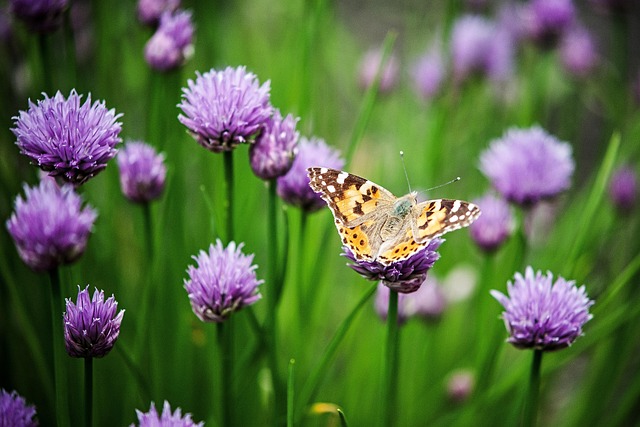
- Chives – Dies back in winter but reliably returns in spring.
- Mint – Very cold-tolerant; spreads vigorously and returns each year.
- Oregano – Hardy and low-maintenance; protect with mulch in colder zones.
- Lovage – A perennial herb with a celery-like flavor that returns each spring.
- Parsley (biennial) – Can survive light frosts; may overwinter in milder climates with mulch or protection.
- Lavender – Hidcote and Munstead are well-established varieties that thrive in Colorado as perennials.
- Chamomile – a prolific re-seeder and can be grown for tea and food decoration and pretty bouquets.
- Dill – another plant that reseeds and therefore pops up in the garden anew each Spring without having to be replanted.
For the best chance of winter survival, mulch around the base of herb plants (not including chamomile and dill which are re-seeders) in Fall and consider covering if we’re expecting especially harsh conditions (like temps below 27 degrees F).