The rain has been a key factor in how our landscapes look and there are some things that we should be doing to keep our outdoor spaces beautiful. Pruning overgrown shrubs and hedges Clean pruning shears between cuts to prevent disease Cut dead or wilted flowers to allow more to grow Cut back overgrowth on the large shrubs to maintain the size you want Take your time it can be hard, but the plant takes time to grow over mistakes…

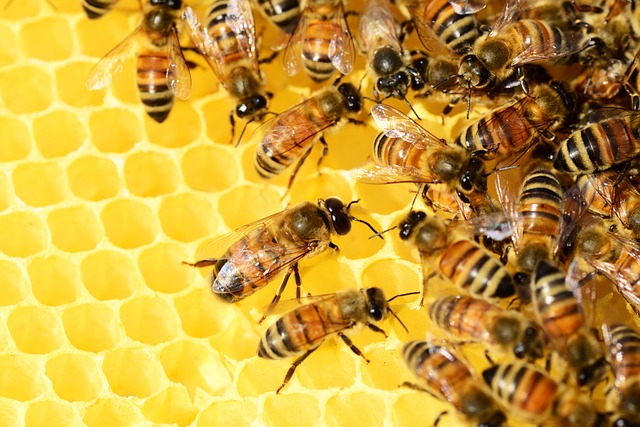
Pollinators need sources of water for many purposes, including drinking. Butterflies, for example will gather and sip at shallow pools, mud puddles or even birdbaths. You can easily create one of these water sources in your landscapes. Why it is important to provide water for beneficial insects. · Pollinators need sources of water for many purposes including drinking and reproduction. · Foraging honeybees collect water to dilute honey, regulate humidity, and cool the hive. · Butterflies get salts and nutrients…

Homeowners need to know how landscaping can help protect their homes. Planting and maintaining a “defensible space” of landscape is more difficult to ignite, can offer significant fire protection. Steps to become more fire wise with your landscapes: Avoid placing plants to close together. Spacing plants apart from one another keeps fire from traveling between them or “climbing” up smaller bushes into the more flammable branches of nearby trees. Remove flammable debris. Dead trees, shrubs and small plants growing close to,…

Much like any appliance in your home, sprinkler systems need a tune-up. Efficient tune ups may include: *Running each sprinkler zone and looking for broken heads or dirty nozzles where the spray does not look consistent. *Making sure that nozzles are not mis-aligned and spraying rocks or concrete instead of the lawn. Straighten any sprinkler heads that are leaning to the side. *Make sure there is even drip irrigation while it is operating to be sure that emitters are not…

Why use drip irrigation? Drip irrigation systems save water by controlling a slow drip to the roots of the plants. Pipes can be either above surface or buried below the soil to target the root zone and minimize evaporation. When partnered with smart irrigation technologies, drip irrigation helps maximize water resources more efficiently. Keep in mind that roots follow water, if you are watering only the top 3 – 4 inches, your trees and shrubs are going to grow shallow…

The ground is warm, we shouldn’t have any more freezes (fingers crossed), sprinkler systems are turned on and nurseries are getting truck deliveries of new plants daily. Now is a great time to visit your local nursery or garden center and check out some of springs best “smart” plants. Local nurseries and garden centers do a great job of bringing in plants that are “smart” for this area, plants that have been shown to work in Colorado. In this dry…

Many people live where they don’t have space for a garden. A container garden is the perfect solution for all ages and all abilities. Almost anything can be grown in a container, except a large tree. One of the easiest containers is a hanging basket. There’s so many available for Mother’s Day. You can purchase one already done, or you can customize it and put it together yourself. You can even grow vegetables like cherry tomatoes, cucumbers, or strawberries in a hanging basket.…

There are those of us who don’t relish contact with insects and worms while working in the yard, but many of them are actually quite beneficial. For instance: Ladybugs and lacewings prey upon damaging aphids and whiteflies. Ground beetles eat caterpillars and Colorado potato beetles, so they may serve an important function in your garden. By establishing your landscape, you’ve created an ecosystem, and many of those insects serve a purpose. If pests are damaging your plants, you can consult…

Why plant native trees? 1.     They are inherently adapted to this area. (Soils, temperature fluctuations, climate) 2.     Once established, can it do without supplemental fertilization, watering, pruning? 3.     Planting these types of trees and shrubs helps maintain BIODIVERSITY. These trees help birds, butterflies, and other wildlife that can be crowded out by urban development. Which native trees are recommended? Bigtooth Maple, Seedless Boxelder such as ‘Sensation’ Maple, Bur Oak, Gambel Oak, Rocky Mountain Birch, Native-collected Quaking Aspen, American Elm, Pinion Pine, Hackberry, Rocky…

#1 – Wake up your lawn with a soak—not a splash—of water. Since the past winter has been very dry, we need to apply water like Mother Nature does during an ideal springtime. Spring rains, that soak in and rain again in seven-day to ten-day cycles, are great for the lawn. Soak the lawn well and allow the top ½ inch of the soil to dry out. Then soak it again. #2 – Aerate. After an early soaking, aerate the…