Toward the end of August and early September, conditions are prime to plant cool-season crops for fall harvest. These plants aren’t made for the long and intensely hot days of summer. Late summer’s cooling nighttime temperatures and shorter days with less sunshine offer the right conditions. Plants to consider: Green leafy vegetables like kale, spinach, lettuce, collard greens, chard Beets Broccoli Carrots For best results, follow these tips: Look for seeds with packets that say they will mature in 60…

These suggestions are from the late David Salman of High Country Gardens, where they know a thing or three about growing in the hot and air southwest. Our irrigation mantra is “don’t water more often, water more deeply.” If you use irrigation on your garden/landscape, don’t increase frequency, increase the duration of the watering cycle. You want to make sure the water goes down at least 10″ to 12″ into the soil. Why? Water that stays only in the top few inches of the…

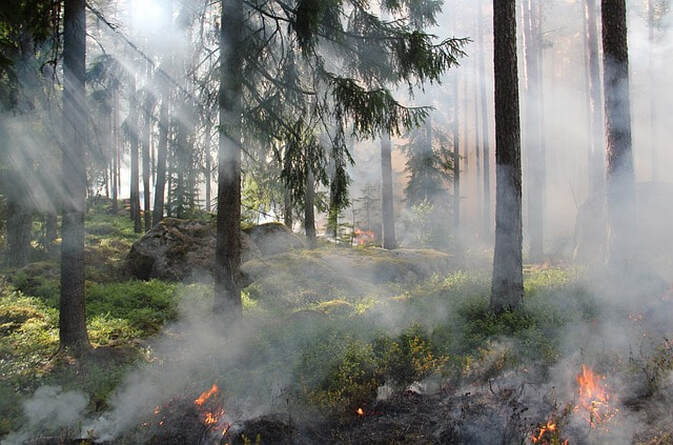
What happens to trees and plants that can’t escape a fire? The answer may surprise you. In this enlightening article from Colorado State University, you’ll learn how plants breathe, what makes smoke toxic even far from a fire, and what trees do when smoke is so thick (hint: it’s similar to what we do). According to the article, “As atmospheric and chemical scientists, we study the air quality and ecological effects of wildfire smoke and other pollutants. In a study that started quite…

What is too hot? This will depend on the plants – Cool season plants like pansies, snapdragons, and veggies like broccoli, lettuce, etc. don’t like temps above 75. You will see those veggies bolt, (Go to flower and seed). Warm-season plants like tomatoes, peppers, squashes, zinnia, impatiens, & annual vinca love & thrive in warm temps (75-90). But when we get in the mid and upper 90’s to 100 even those can slow production or suffer. Newly planted perennials, trees & shrubs too…

Easily identify which plants survive and thrive best in your zone Garden Design website has a wonderful new tool to assist gardeners in identifying (and seeing beautiful pictures of) plants that will survive winters in our Zone 3-4 and thrive too. USDA hardiness zones are based on average annual minimum winter temperatures, but doesn’t account for other factors like heat, humidity, rainfall, and soil conditions. Their new online tool provides some of the most popular perennials, shrubs, and trees to…


Many grass species enter a state of dormancy during periods of extreme heat. Letting your lawn turn brown in summer is not only acceptable but also a responsible and sustainable approach to lawn care, particularly in regions prone to drought or where water conservation is a priority. One of the primary reasons for allowing your lawn to go dormant during the summer is to conserve water. Lawns, especially those made up of cool-season grasses like Kentucky Bluegrass, require significant amounts…

Investing in landscaping projects can significantly enhance the curb appeal and overall value of your home. Keeping up with landscaping projects around your home enhances the beauty and functionality of outdoor spaces, and makes living in your outdoor environment a pleasure.  Considering trying some of these this summer or early fall (you don’t have to do all of them at once): 1. First and foremost, keep a Clean and Tidy Landscape A well-maintained landscape reflects positively on the overall property. Regular maintenance prevents…

Regular deadheading of any plant promotes healthier growth. Deadheading irises, which involves removing spent flowers, is essential for maintaining plant health and aesthetics. And did you know that some iris will bloom a second time in a season if deadheaded as soon as possible after bloom? The optimal time to deadhead irises is immediately after the flowers begin to fade and wither, typically in late spring to early summer depending on the variety and climate. Throughout the blooming season, regularly…

It can be difficult to know if stuff about gardening that we read on the internet (or hear from others) is true. In this article from The Old Farmer’s Almanac helps to dispel commonly believed myths related to gardening, and will save you time, money, and wasted effort too. Take a look at commonly held beliefs and garden advice topics, and see if you know which are true, and which are myths: Add sand to improve clay soil Water droplets…