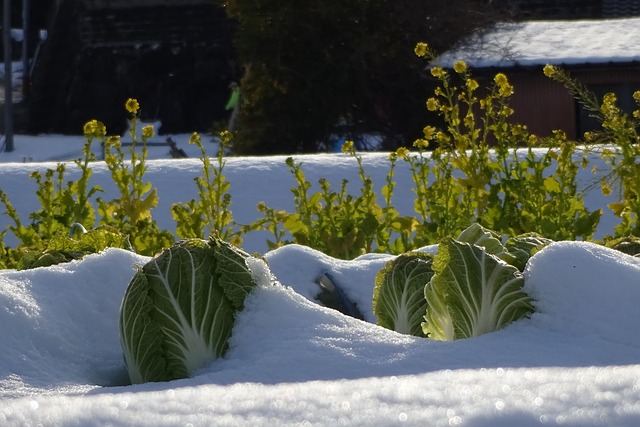
You can usually expect a frost on any given day in October. Our first frost is typically around late September or early October, with a 50% chance occurring by September 27th, according to data for The Pinery area, Franktown, and Elizabeth.  Factors Influencing Frost Dates Elevation and Microclimates .Our elevation and terrain can lead to microclimates that differ slightly from larger nearby areas like Denver.  “First Frost” vs. “First Freeze” A “first frost” can occur when temperatures are slightly above…

Rainwater collection in Colorado – the why, the how, and the (updated) law. DIY Rainwater Collection System PDF This information is from a presentation by Board member Dennis Volz at a Black Forest Garden Club meeting in the Spring of 2025. If you have questions about information provided in the PDF and want to contact Dennis to learn more, please email blackforestgardenclub@gmail.com and we’ll connect you with Dennis.…

This hydrangea variety is known for its ability to produce full, multi-layered flower clusters that last throughout the growing season. FlowerFull hydrangea is a remarkable addition to the world of ornamental gardening, and is being celebrated throughout gardening circles for its abundant blooms and vibrant colors. It offers a stunning display of blooms from summer through fall (blooms may change shades depending on soil pH). Perfect for garden borders, containers, or as a focal point, the FlowerFull hydrangea is low-maintenance and…

Several hardy herbs can survive or even thrive through cold winters, especially with a bit of protection. While most herbs are considered ‘tender’ (think basil, which dies back in the fall and certainly after first hard frost), some can actually withstand our cold, harsh winters, and some can even be cultivated year-round and even harvested when they’re covered in snow. Here are some top choices: Cold-Hardy Herbs Thyme – A perennial herb that survives freezing temperatures and often stays evergreen. Sage –…

Identifying snake holes in your yard can be tricky, because snakes often use existing holes made by other animals. Here’s how to figure out whether a hole you see somewhere in your yard or garden is a snake hole. Look at Hole Size Snake holes are typically round and range from about 1–3 inches in diameter, depending on the snake. Smaller holes (around 1 inch) might belong to garter snakes or small rat snakes. Larger holes (2–3 inches) might indicate…

Plants bolt when they sense it’s time to reproduce before unfavorable conditions (like hot weather) kill them. Bolting is when a plant—usually a leafy green or herb—suddenly sends up a tall flower stalk and starts producing seeds. This often happens prematurely, especially in response to heat, stress, or day length changes, and is considered a survival mechanism to ensure survival. Is Bolting Good or Bad? Bad for leafy greens (Lettuce, Spinach, Cilantro, etc.) Leaves turn bitter and tough or can…

There’s no shortage of Summer festivals in Colorado this year! Veg Fest – June 8, Auraria Campus Denver (and also September 28 for one day). A celebration of plant-based living, featuring vegan cuisine, speakers, and entertainment. Strawberry Days – June 20-22, Glenwood Springs (128th Anniversary of this festival!). Saturday is the best day to attend for the free strawberries and ice cream. Colorado Lavender Festival, June 27-29, Palisade. Dozens of lavender farmers, artisan craft vendors, delicious food vendors, outstanding music, free lectures and workshops,…

Betty Fort Alpine Gardens in Vail are a national AND local treasure The Betty Ford Alpine Gardens in Vail are a remarkable high-altitude botanical treasure nestled at 8,200 ft in the Rocky Mountains. We’re extremely fortunate to have this extraordinary garden resource in our ‘back yard’. Here’s what makes this garden so special (especially to those of us gardening at high altitude): World‑Class Alpine Collection One of the highest botanical gardens in North America, dedicated exclusively to alpine and mountain plants…

Butterflies are vital to the environment because they help pollinate plants, support biodiversity, and serve as important indicators of a healthy ecosystem. This informative article from UCHealth showcases the butterflies we see most commonly in Colorado, with descriptions about each accompanied by wonderful photographs that both kids and adults will appreciate seeing so that you can identify  them when they visit your garden!…

Always prune lilacs after they are finished blooming, never before, for best blooms next year. The best time to prune lilacs is right after they finish blooming in late spring or early summer, usually in June in our area. Prune annually to maintain a good shape, support good health, and facilitate abundant blooms next year Warning: if you wait until late summer or fall to cut spent blooms or cut back the plant, you’ll remove the buds for next season’s…