Birds often collide with windows because they see reflections of trees, sky, or open spaces and mistake them for safe passage. These collisions can cause serious injury or death, especially for migratory birds. Birds do this because they don’t see glass as glass, or any sort or barrier. They think the the window is part of the sky and landscape, or occasionally they’ll attack a window when they see their own reflection in it (this is more common during mating season).…

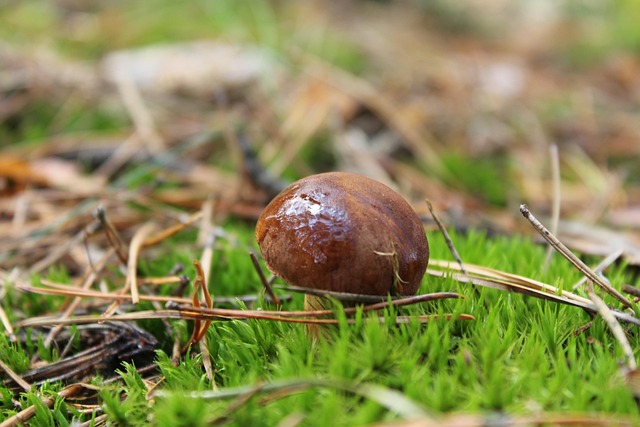
IMPORTANT NOTE: THE MUSHROOM SHOWN IN THE IMAGE ABOVE IS NOT AN EMPEROR MUSHROOM. CONTACT AN EXPERT BEFORE FORAGING FOR EMPEROR MUSHROOMS OR ANY KIND OF MUSHROOM. The Emperor mushroom (Agaricus julius) was chosen after a selection process by students, a teacher, and mycologists. The Emperor mushroom is a notable species indigenous to Colorado’s high-elevation spruce-fir forests and is a favorite of local foragers. Closely related to the West Coast’s Agaricus augustus, or “The Prince,” A. julius distinguishes itself with…

PlantWave is a unique device that translates a plant’s subtle electrical signals into harmonious music. By attaching two sensors to a plant’s leaves, PlantWave detects micro-fluctuations in the plant’s electrical conductivity — variations influenced by factors like water movement and photosynthesis. These fluctuations are graphed as waves and then converted into musical notes, creating real-time melodies that reflect the plant’s activity levels, and offering a novel way to connect with the natural world. The accompanying PlantWave app allows users to listen…

Rock gardens are super low-maintenance, and grow well in our altitude, climate, and periods of drought Rock gardens are low-maintenance landscapes that conserve water and thrive in a variety of climates, making them ideal for our drought-prone areas. They bring a natural, rugged beauty to any outdoor area. They provide year-round visual interest with a mix of stones, succulents, and hardy plants, creating a unique and natural aesthetic that shine in any Colorado outdoor space. Click here to see 19 different…

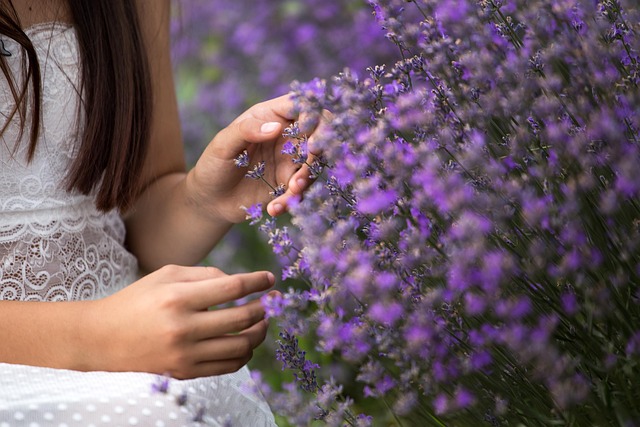
Outdoor Colorado has produced a video showcasing some spectacular wildflower viewing spots in Colorado. The list includes: Crested Butte Roxborough State Park Indian Peaks Wilderness Yankee Boy Basin Shrine Pass Closer to home wildflower viewing Dawson Butte Staunton State Park (dogs are allowed) Castlewood Canyon State Park – East  Canyon  Preservation Trail (opens May 1) Roxborough State Park (see link above)  Try the Willow Creek Trail. Denver Botanic Gardens Wildflower Walks Timing is everything with wildflowers The best time for wildflower viewing in Colorado generally…

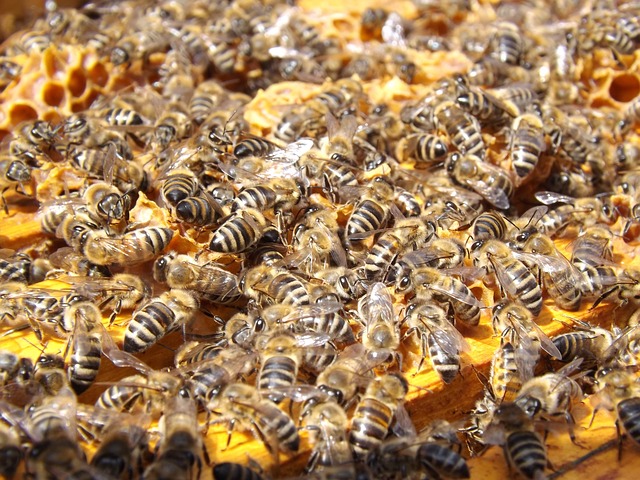
Creating a bee bath is a simple and thoughtful way to support pollinators in your landscape. Bees need access to clean, shallow water, especially in warmer months when natural sources can dry up. To make one, use a clean shallow dish or bowl—something no more than an inch or two deep—and fill it with fresh water. Add small pebbles, shells, marbles, or flat stones that rise above the water’s surface to provide safe landing spots for the bees to perch…

Here’s what to expect weather-wise this summer, and how to prepare Summer conditions are expected to be significantly warmer than last year, marking the third consecutive year of anticipated record-breaking summer heat. The majority of Colorado is expected to experience a hotter and drier summer than ever experienced before. The Old Farmer’s Almanac forecasts that the summer 2025 could be the hottest on record, potentially surpassing the extreme heat experienced in 2024. The Almanac predicts that July and August will bring above-normal…

Grub activity, especially Billbugs and white grubs, is common in Colorado and can lead to irregular brown patches in the lawn. Lawn grubs, the larval stage of various beetle species, can significantly damage lawns in Colorado by feeding on the roots, causing them to be easily pulled up.  Grubs are most active in late summer and early fall.  Signs that your lawn has grubs include: Brown or dying patches that lift easily like a carpet, revealing white, C-shaped grubs in the soil underneath. Spongy feel underfoot, especially…

Russian sage is a hardy, drought-tolerant perennial tailor-made for our sunny, dry climate and growing conditions.  To grow this popular perennial successfully, plant in full sun—at least 6–8 hours per day—and in well-draining soil. Russian sage doesn’t like soggy roots, so if your soil is clay-heavy, consider planting it in a raised bed or amending your planting hole heavily with sand and compost. Spring is the best time to plant, giving the roots a full season to establish. Space plants…

In Colorado, the best time to cut back ornamental grasses is late winter to early spring (typically February to early April), when still dormant and just before new growth begins. This timing of cutting back ornamental grasses where we live allows the grasses to provide winter interest and habitat for wildlife while protecting the crown from cold temperatures. How to Cut Back Ornamental Grasses Wait for consistent warming – once the risk of extreme cold has passed but before new…